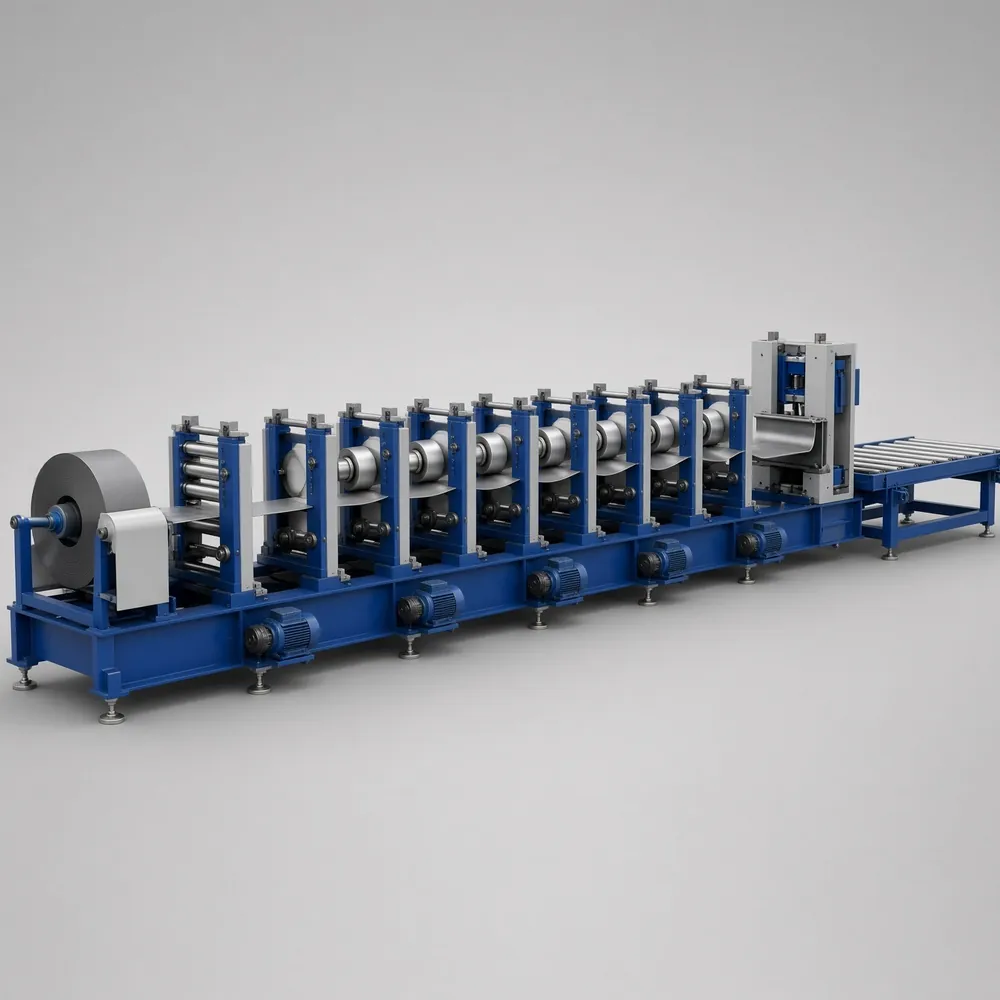
Roll Forming Lines
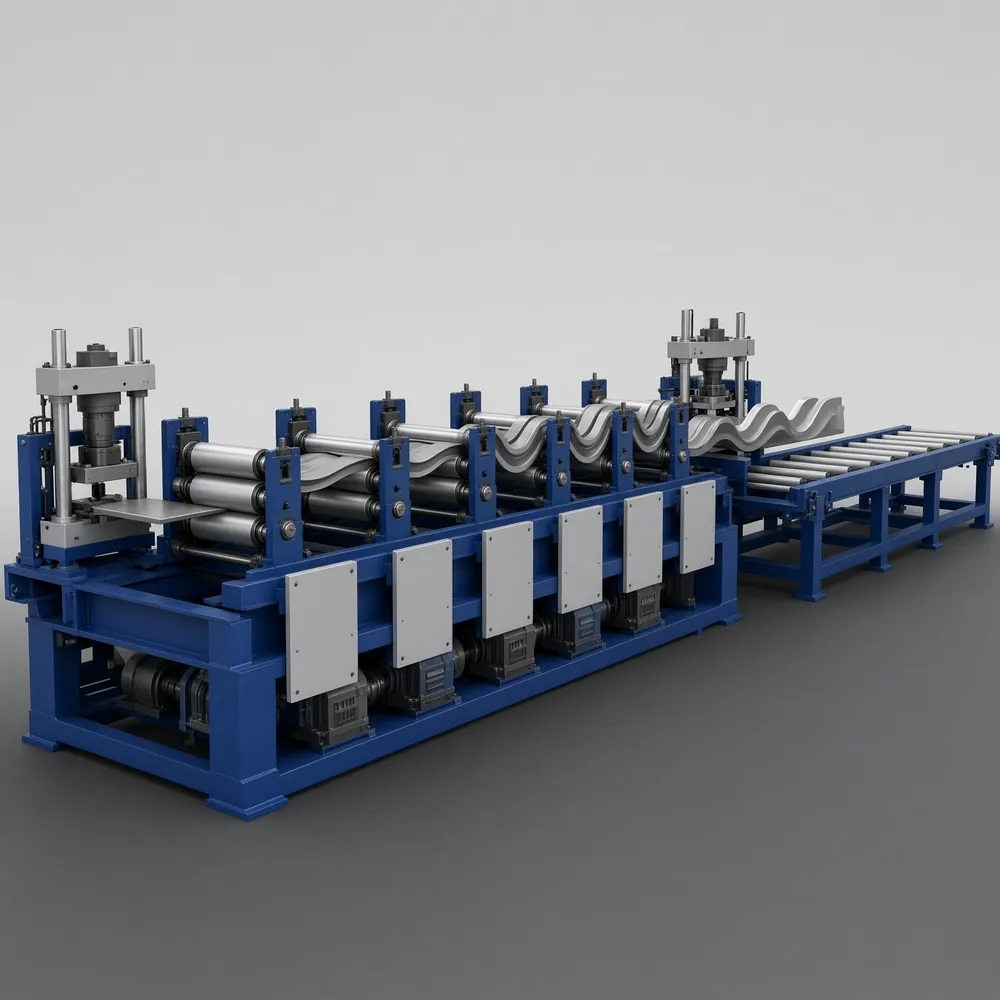
Bend flat steel strip into a fixed profile, stand by stand.
8–24 stands · 0.5–14 mm · strip up to 1350 mm
Illustrative rendering
Roll forming, slitting, cut-to-length and tube mill lines — with the roll tooling to run them.
Illustrative rendering
A.D. Rolling Machineries India designs and builds coil processing machinery in Gujarat — roll forming lines, slitting lines, cut-to-length lines and tube mills — plus the roll tooling and spares those machines run on.
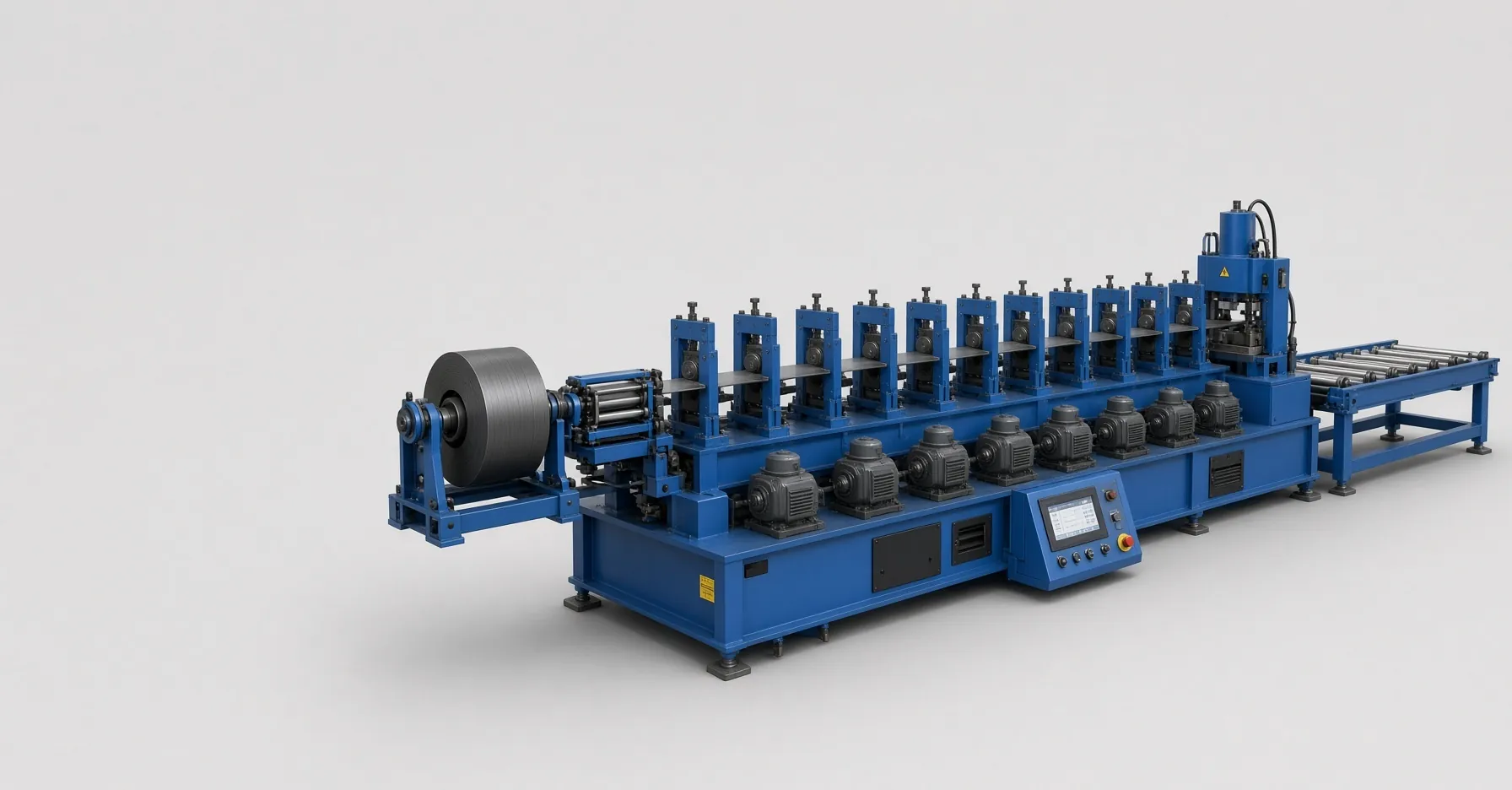
Bend flat steel strip into a fixed profile, stand by stand.
8–24 stands · 0.5–14 mm · strip up to 1350 mm
Illustrative rendering
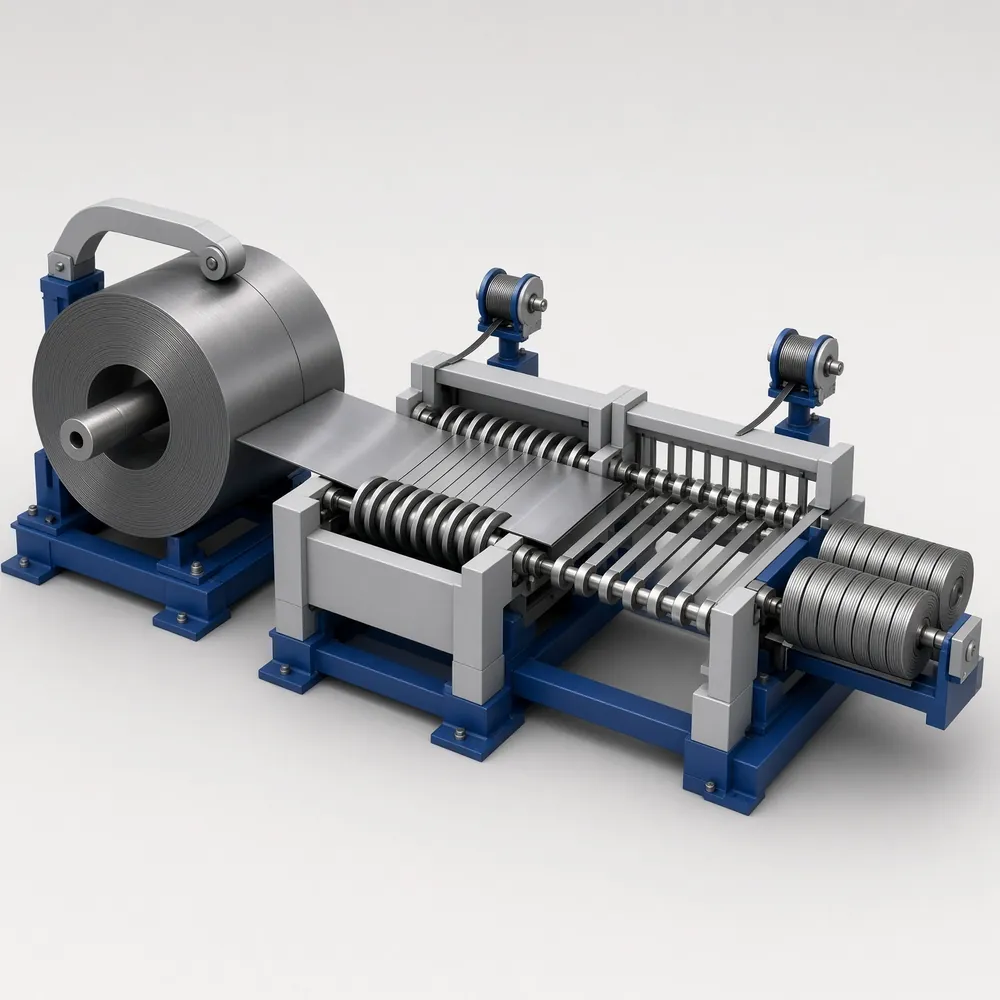
Cut a wide coil lengthways into narrower coils.
10–36 cuts · 0.15–14 mm · coil up to 2200 mm
Illustrative rendering
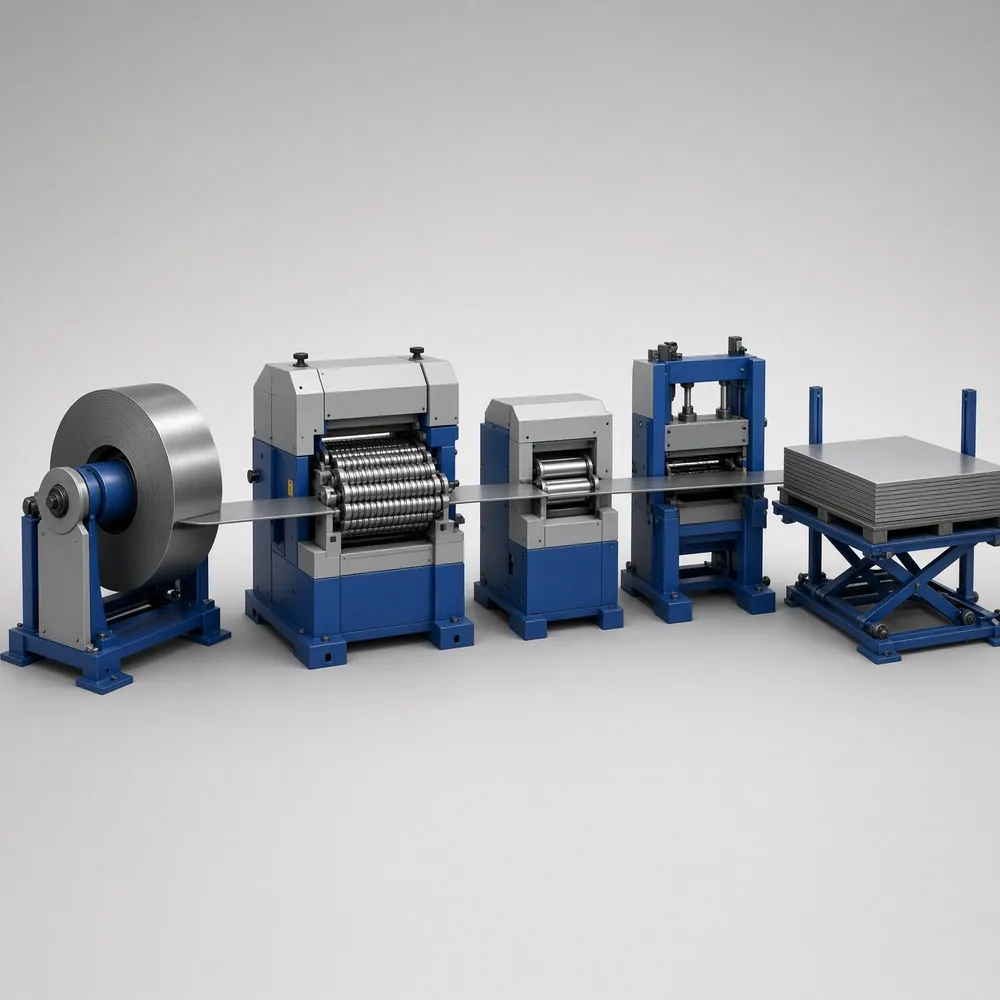
Flatten a coil and cut it into sheets of exact length.
0.5–32 mm · coil up to 2600 mm
Illustrative rendering
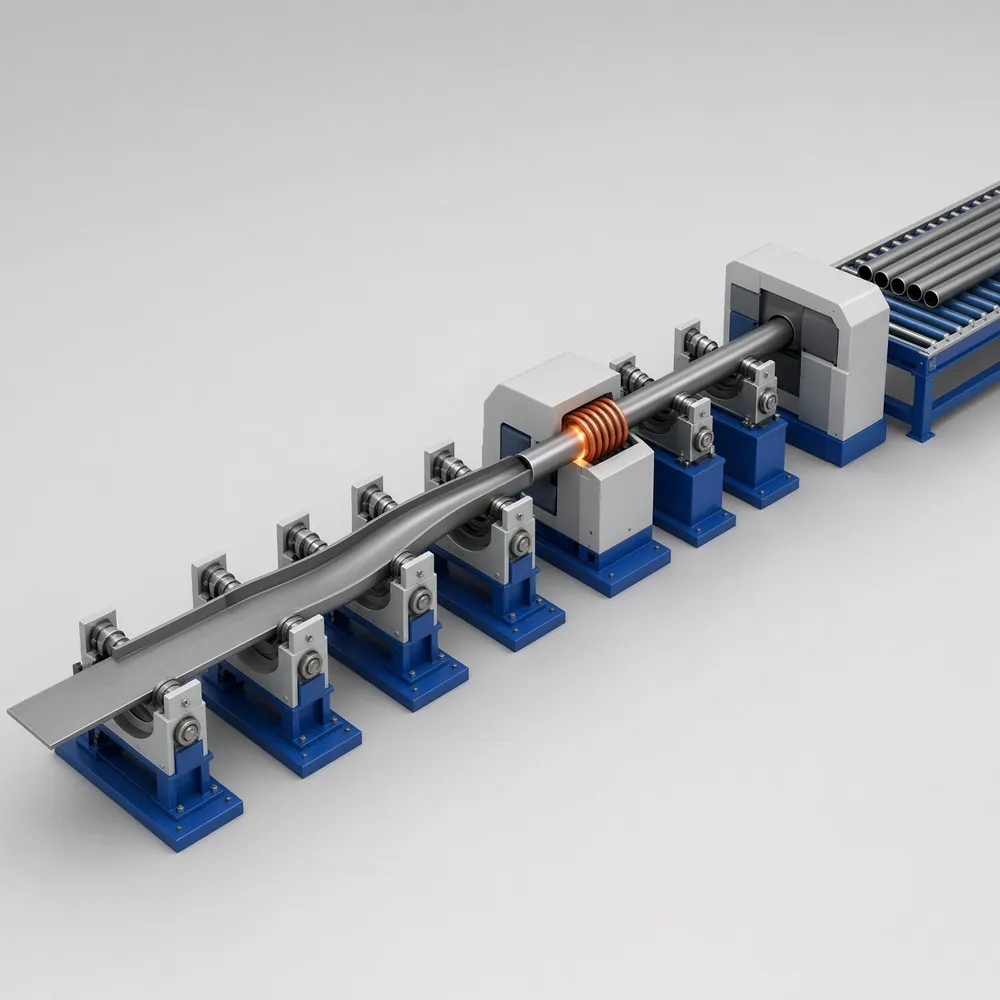
Form strip into a round or shaped tube and weld the seam.
10–20 stands · 0.5–10 mm · up to 2000 mm
Illustrative rendering
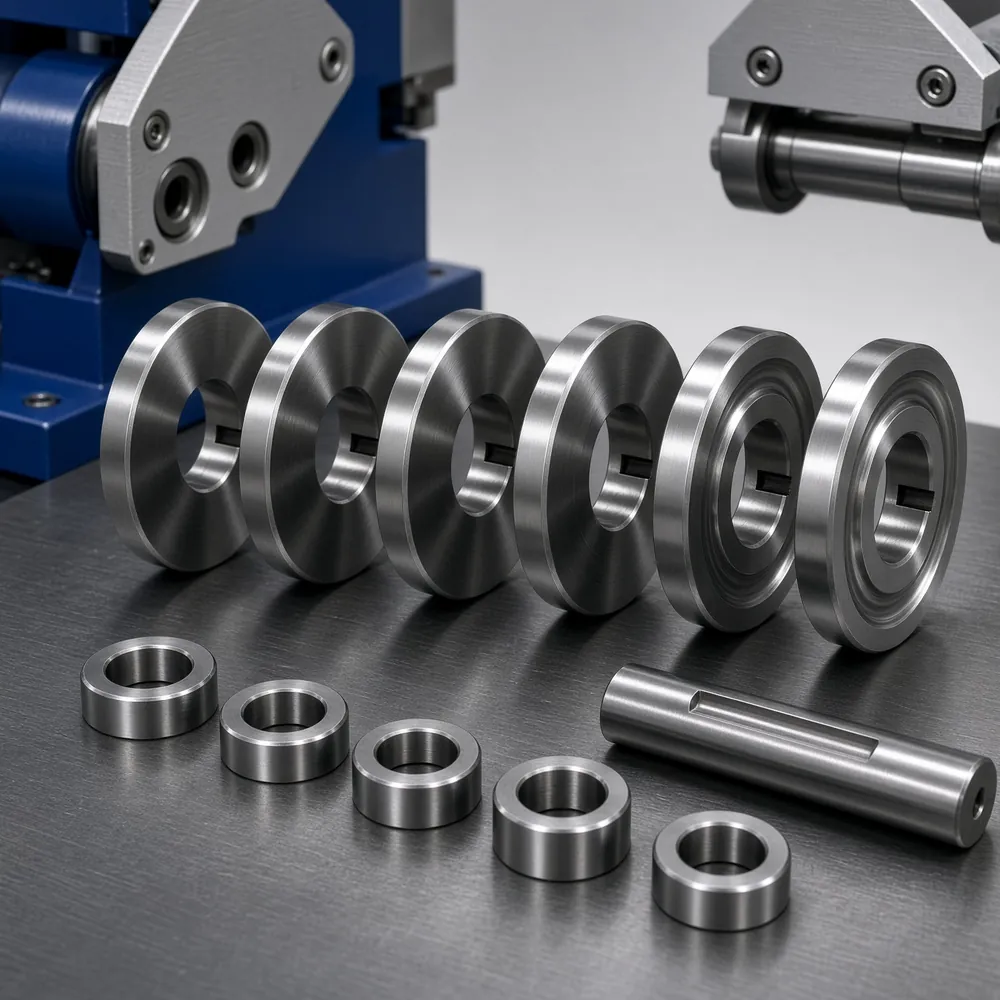
Hardened and ground forming rolls, made per profile.
EN-31 / OHNS / D-2
Illustrative rendering
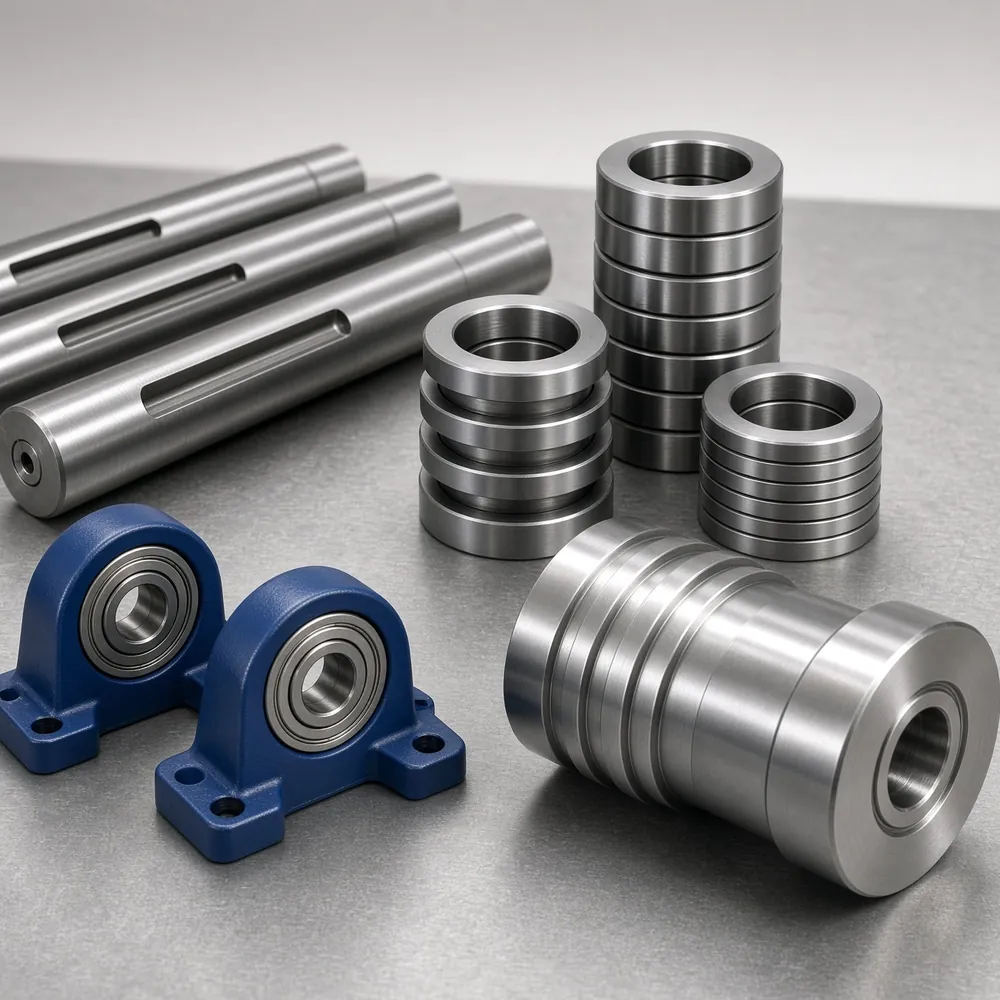
Shafts, spacers, roll re-grinding and re-profiling.
Illustrative rendering
The thicker the steel, the more stands the line needs.
A heavier machine is used for the thicker range.
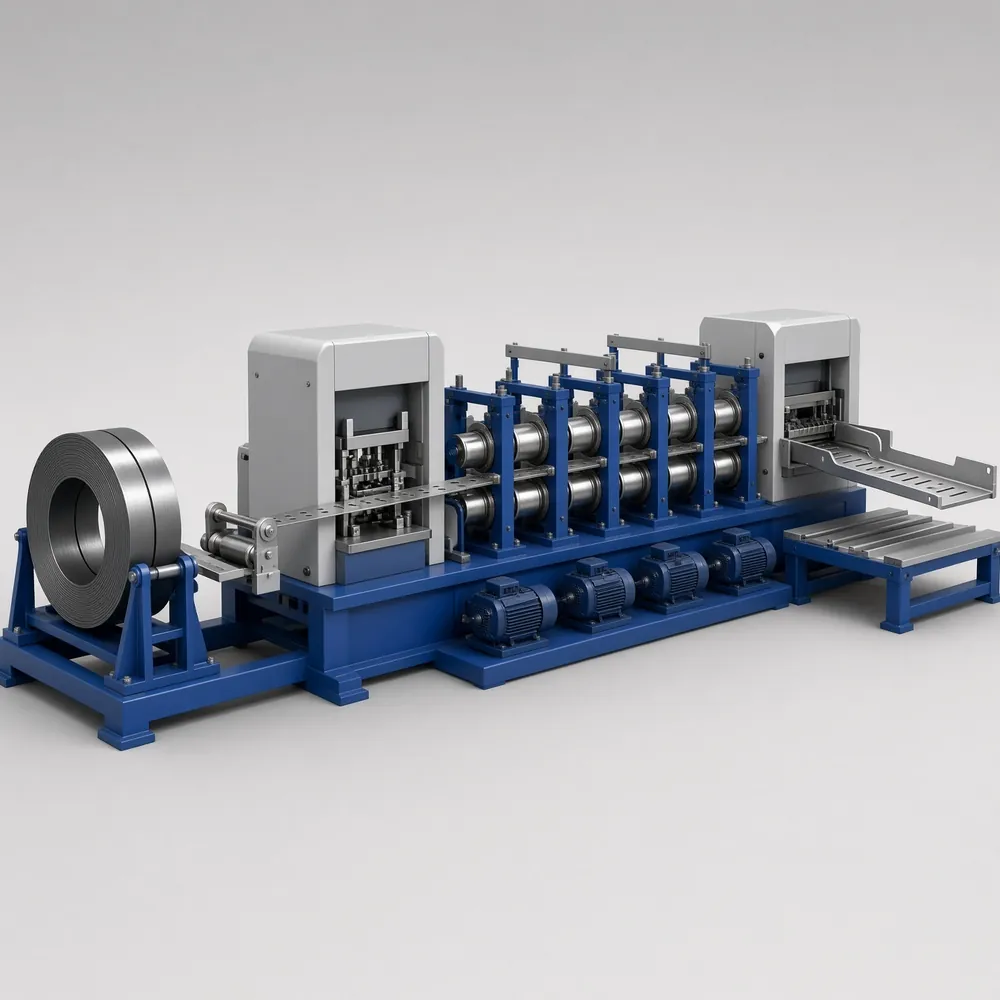
Illustrative rendering
Illustrative rendering
Illustrative rendering
| Tier | Stands | Thickness | Width | Typical sections |
|---|---|---|---|---|
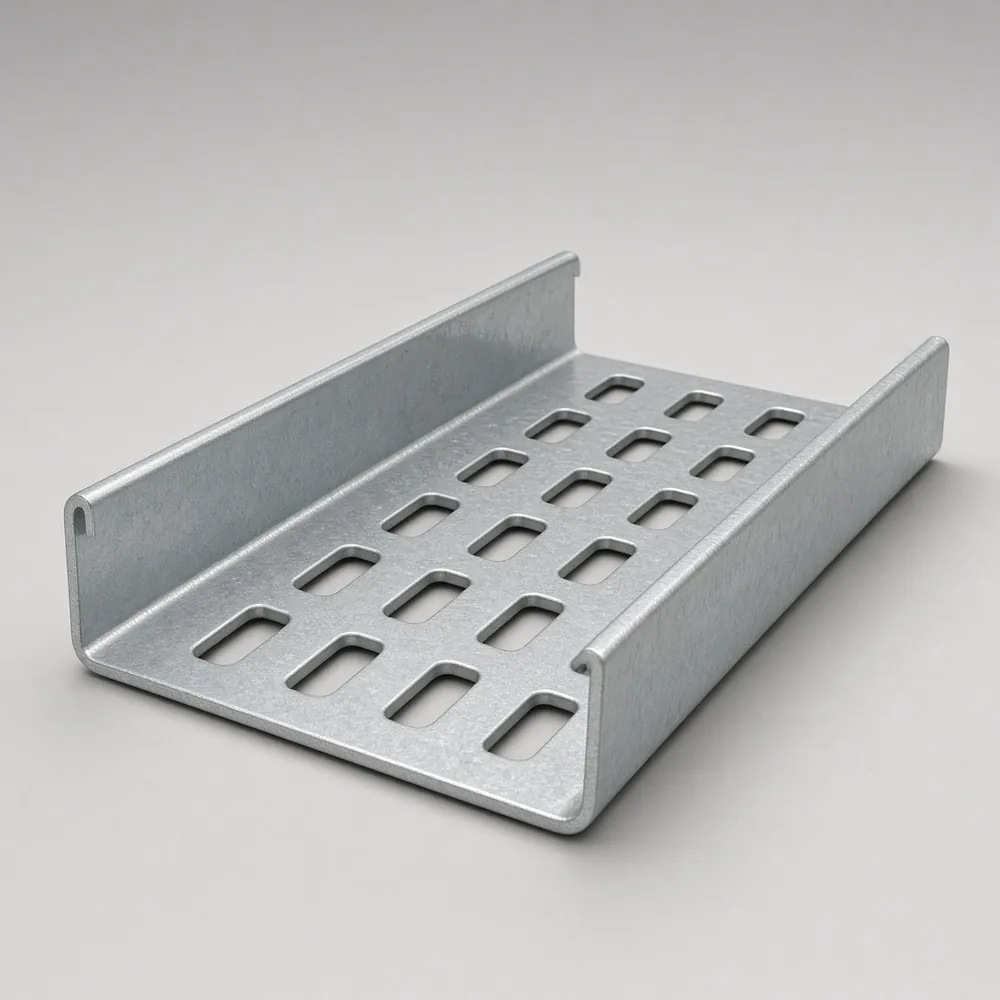
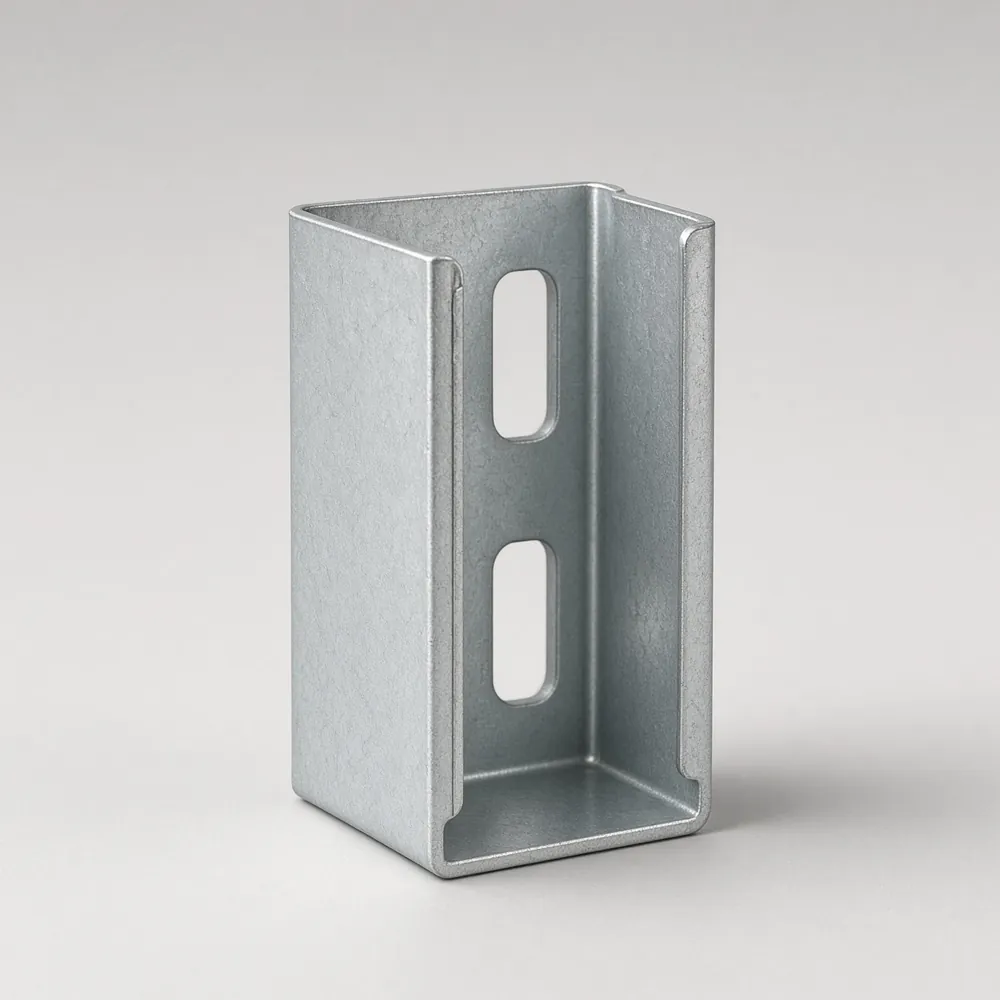
| Light gauge | 8–12 | 0.5–1.6 mm | 300 mm | Cable tray, strut channel, top hat |
| Standard | 12–16 | 1.2–3.0 mm | 400 mm | C & Z purlin, solar module structure |
| Heavy | 16–20 | 2.5–6.0 mm | 600 mm | Crash barrier, sigma section |
| Extra heavy | 20–24 | 6–14 mm | 1350 mm | Sheet piles, automobile chassis, railway body parts |
Final specification is confirmed per profile at quotation stage.
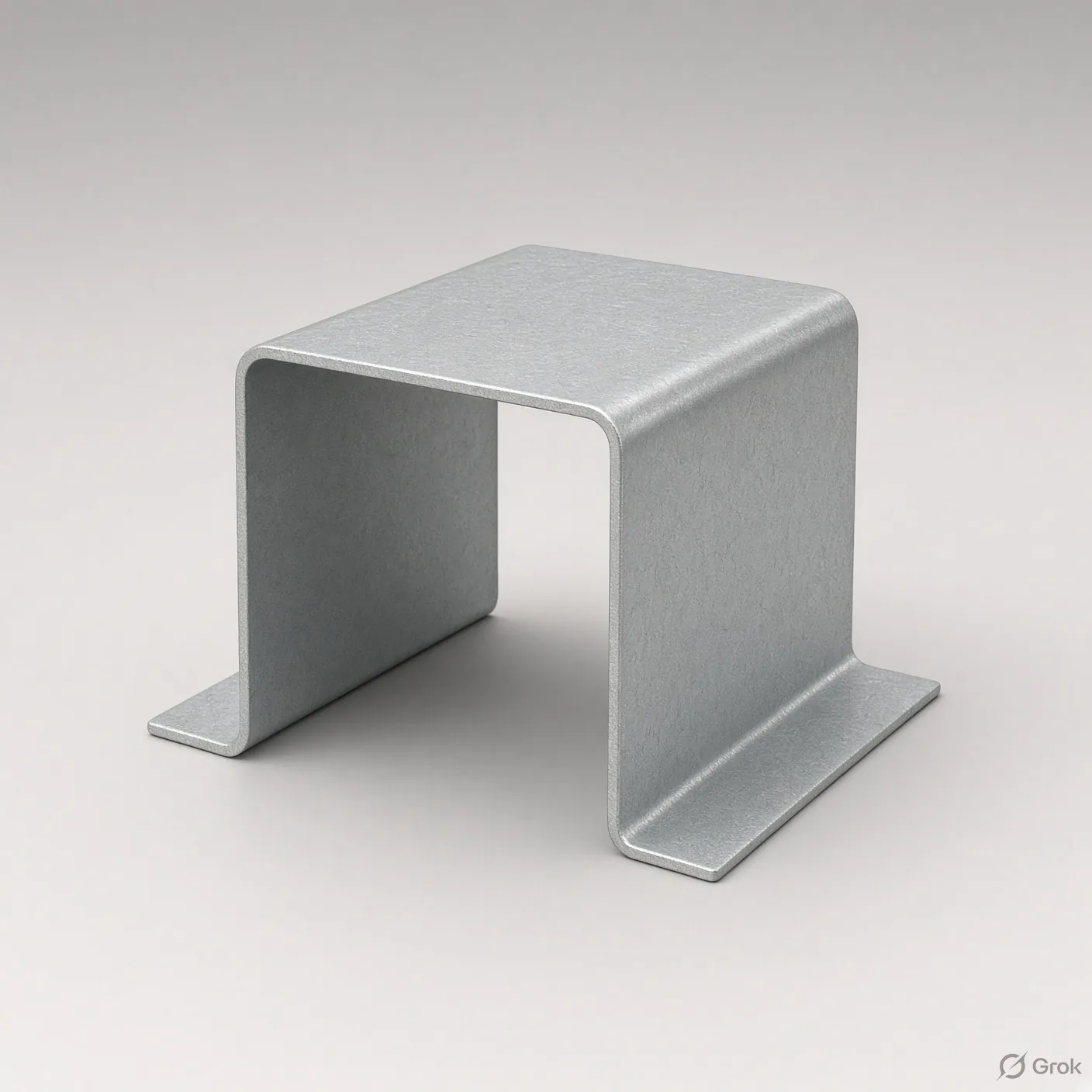
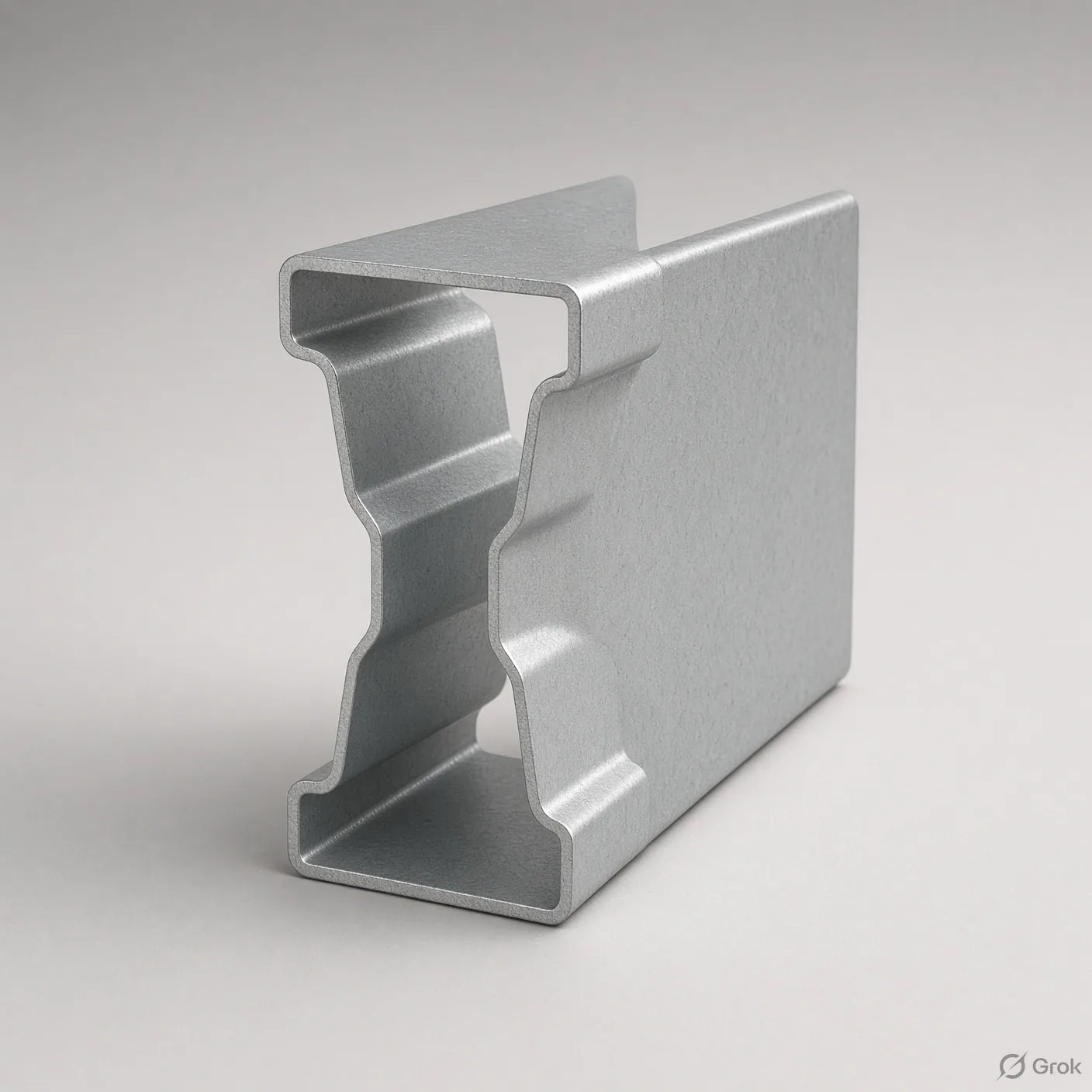
Every section below starts as one flat strip of steel and is bent into shape as it passes through the rolls.
These are sections the lines are designed to form.
Illustrative rendering
Illustrative rendering
Illustrative rendering
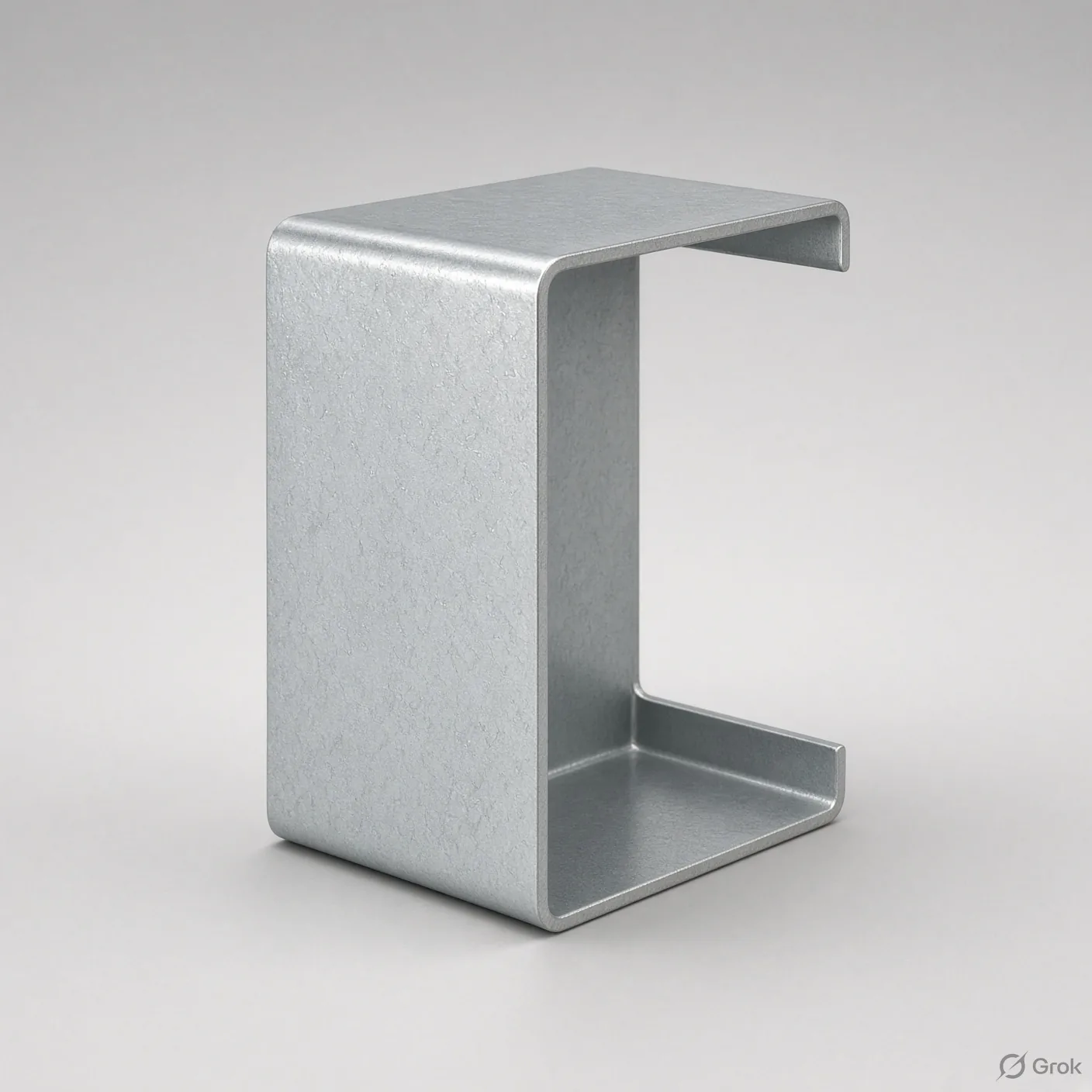
Illustrative rendering
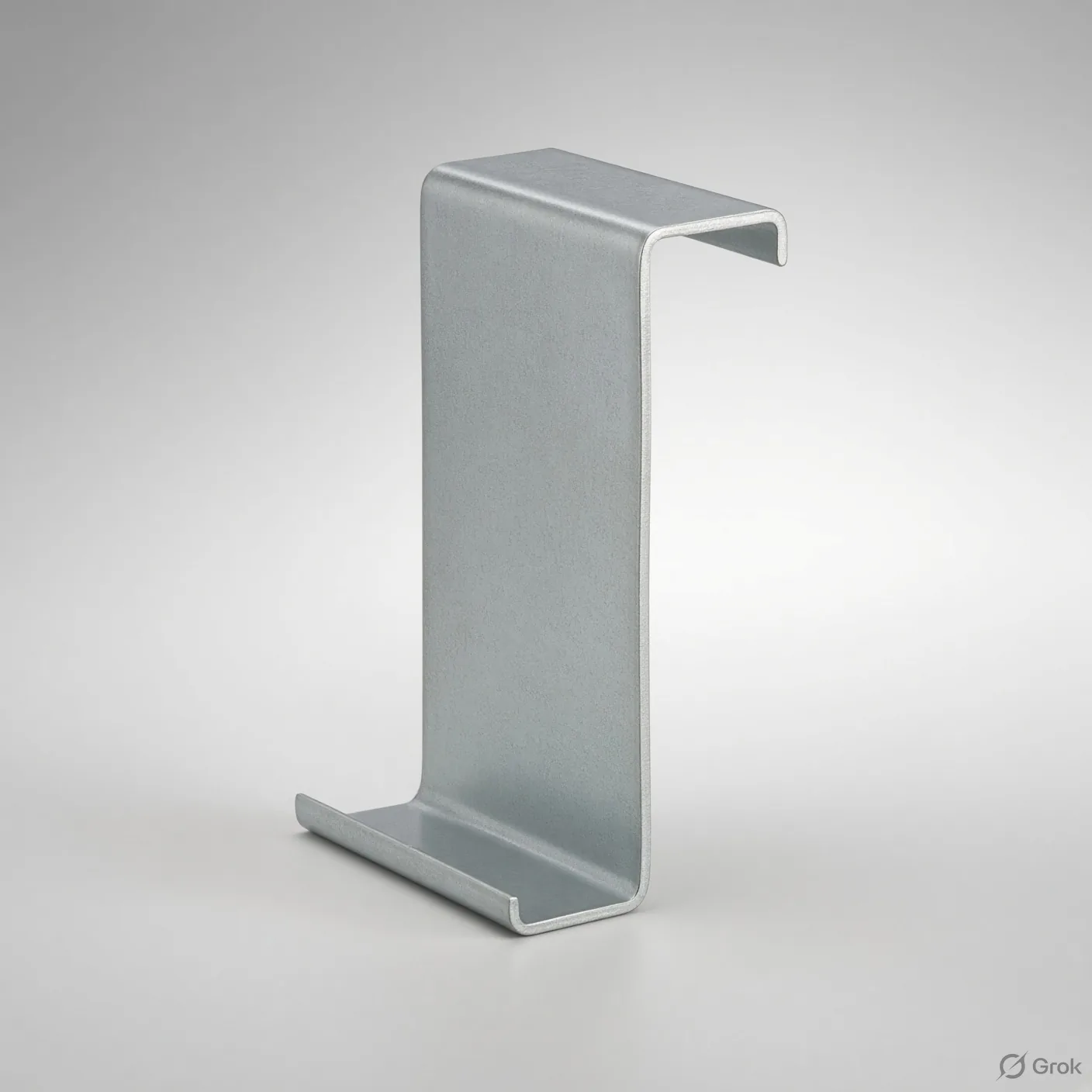
Illustrative rendering
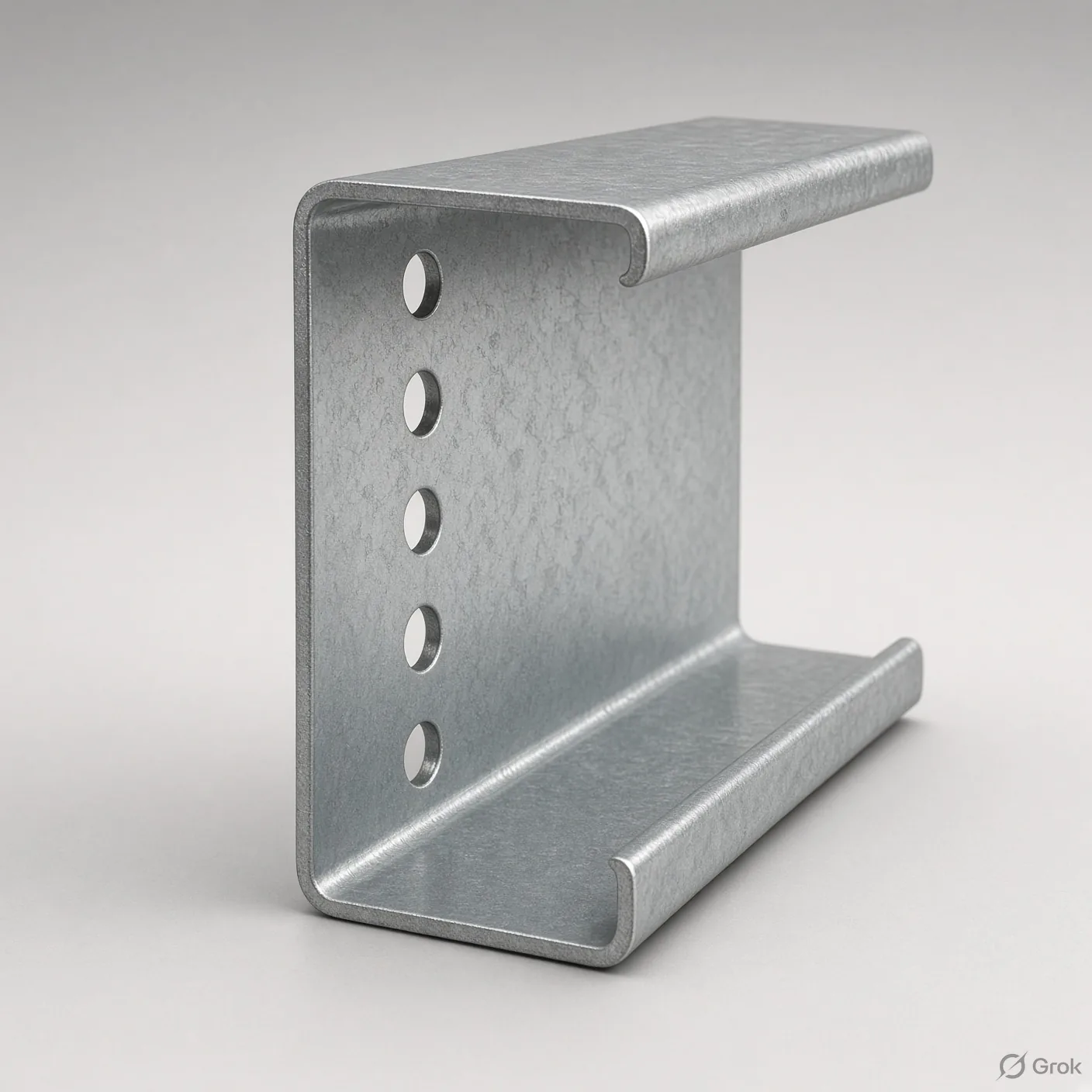
Illustrative rendering
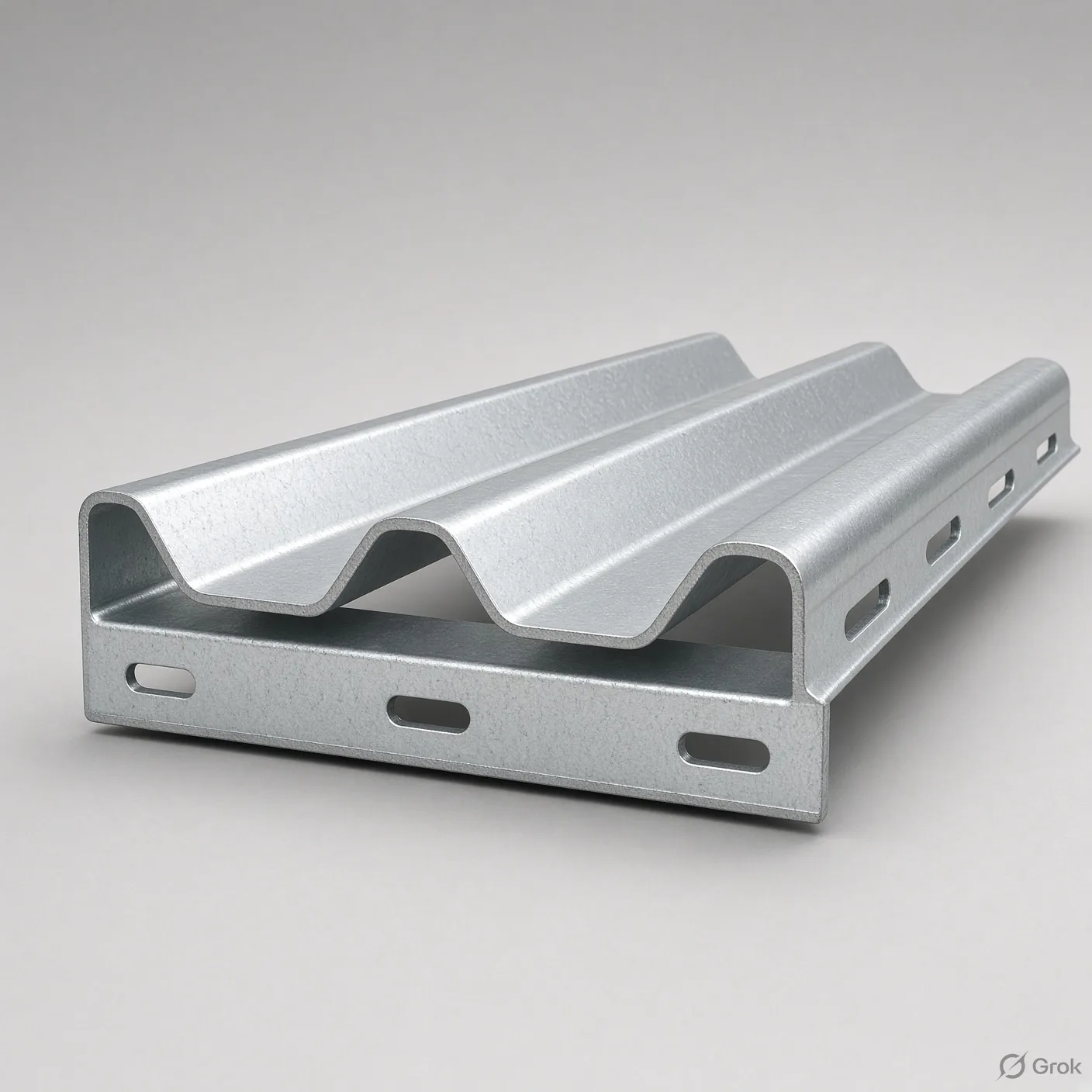
Illustrative rendering
Illustrative rendering
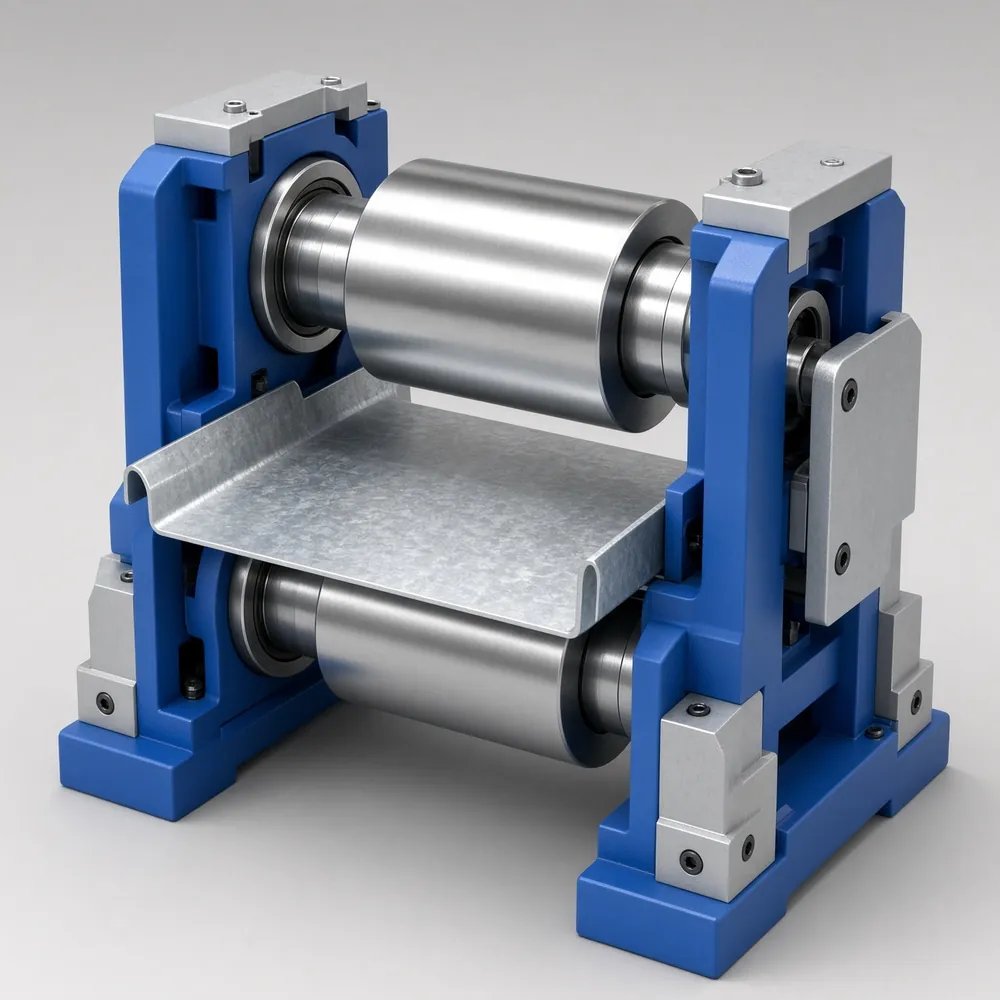
A pair of shaped rolls grips the strip and bends it a little further. A line has many stands in a row, each bending slightly more than the last.
Illustrative rendering
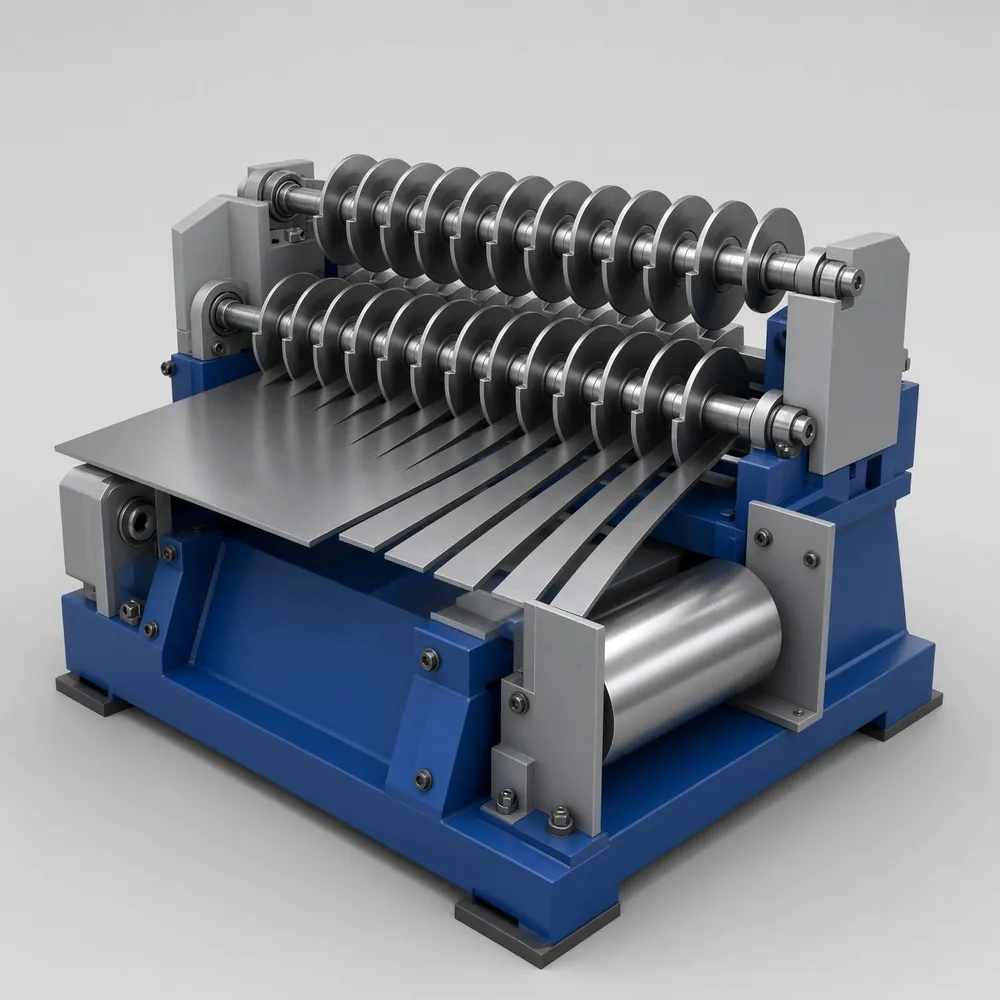
Rows of circular knives cut one wide sheet into several narrow strips. Knife spacing sets the width of each strip.
Illustrative rendering
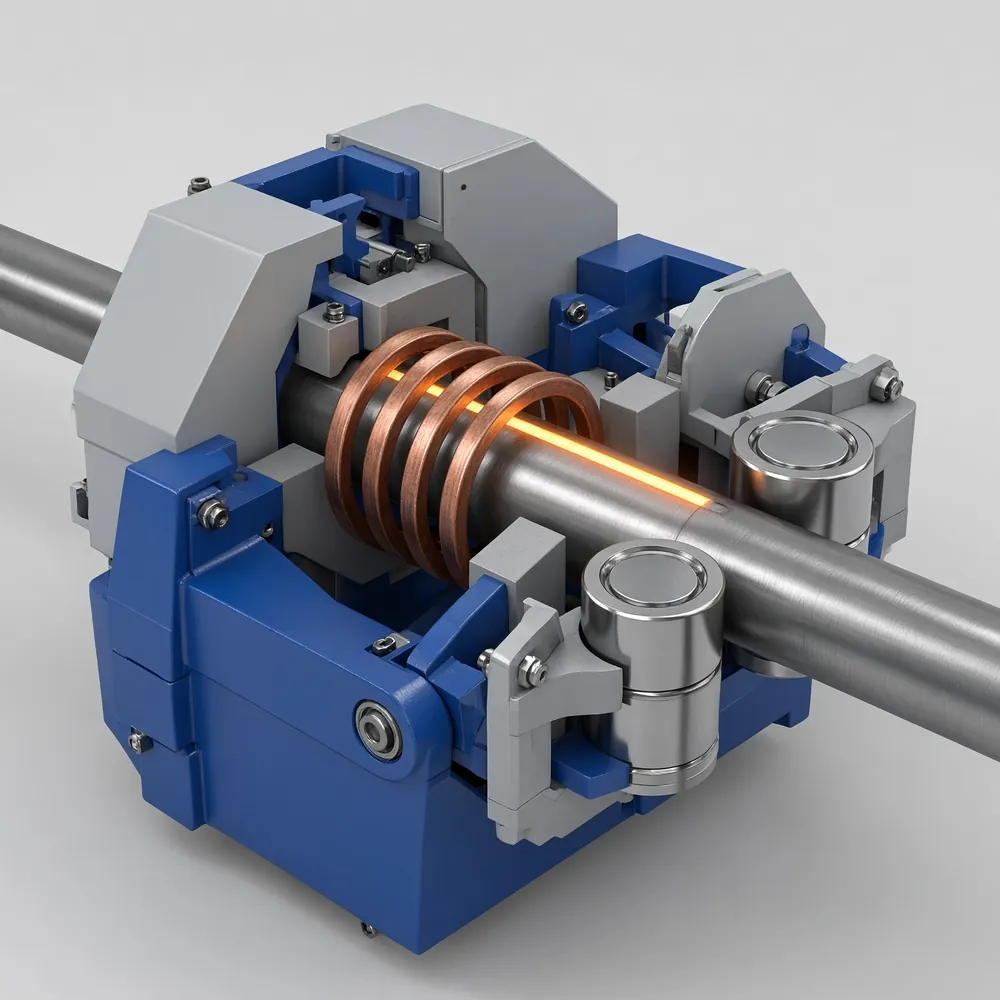
The strip is rolled into a tube and its edges heated by an induction coil. Two side rolls squeeze the hot edges together so they fuse into one seam.
Illustrative rendering
Illustrative rendering
A roll forming machine runs on its tooling. When you add a new profile, or a roll wears, you need new or re-ground rolls. We make roll sets for our own lines and for machines built by others, and supply shafts, spacers and re-grinding.
You share the profile drawing, material and output needed.
We check thickness, width and number of stands required.
Price, scope and delivery schedule in writing.
Roll design, machine manufacture, tooling.
The line is run with your material before dispatch.
Delivery and commissioning at your site.